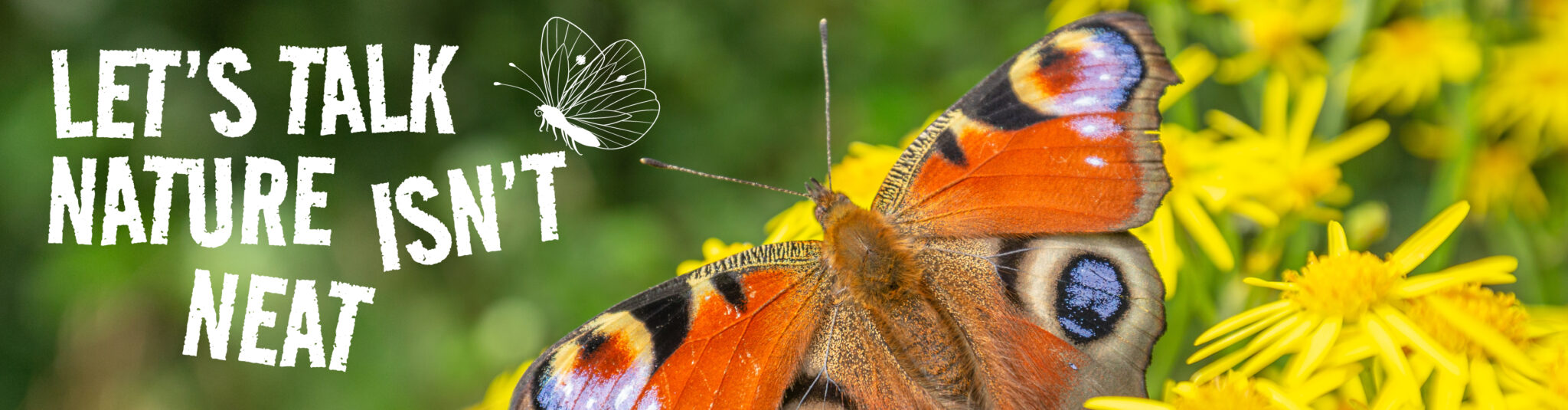
Monmouthshire County Council is bringing back its Nature Isn’t Neat campaign this summer, encouraging a more relaxed approach to grass cutting to help wildlife thrive.
Now in its sixth year, the initiative coincides with Wales Nature Week (4-12 July) and focuses on how cutting grass less often in selected areas can boost biodiversity across the county.
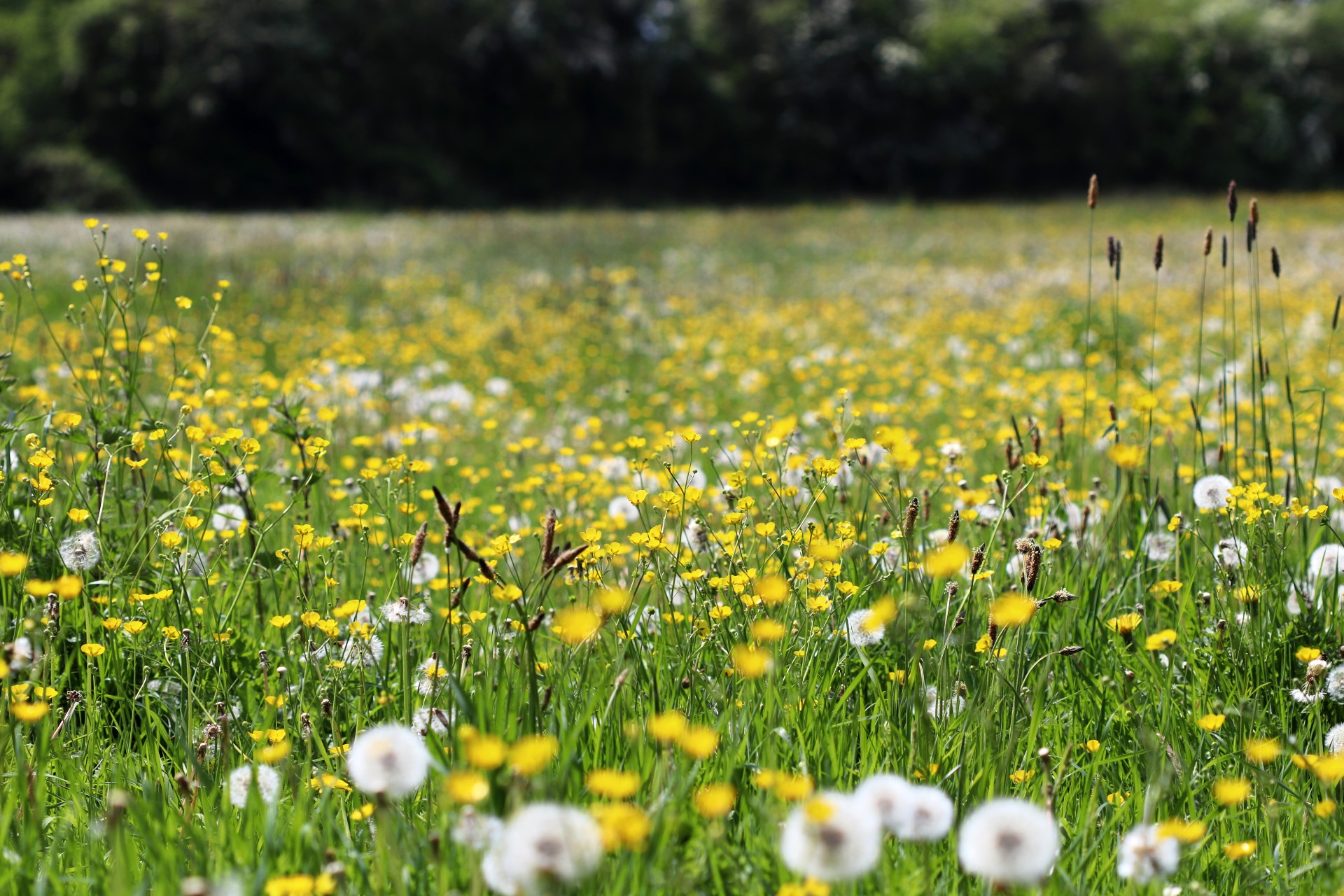
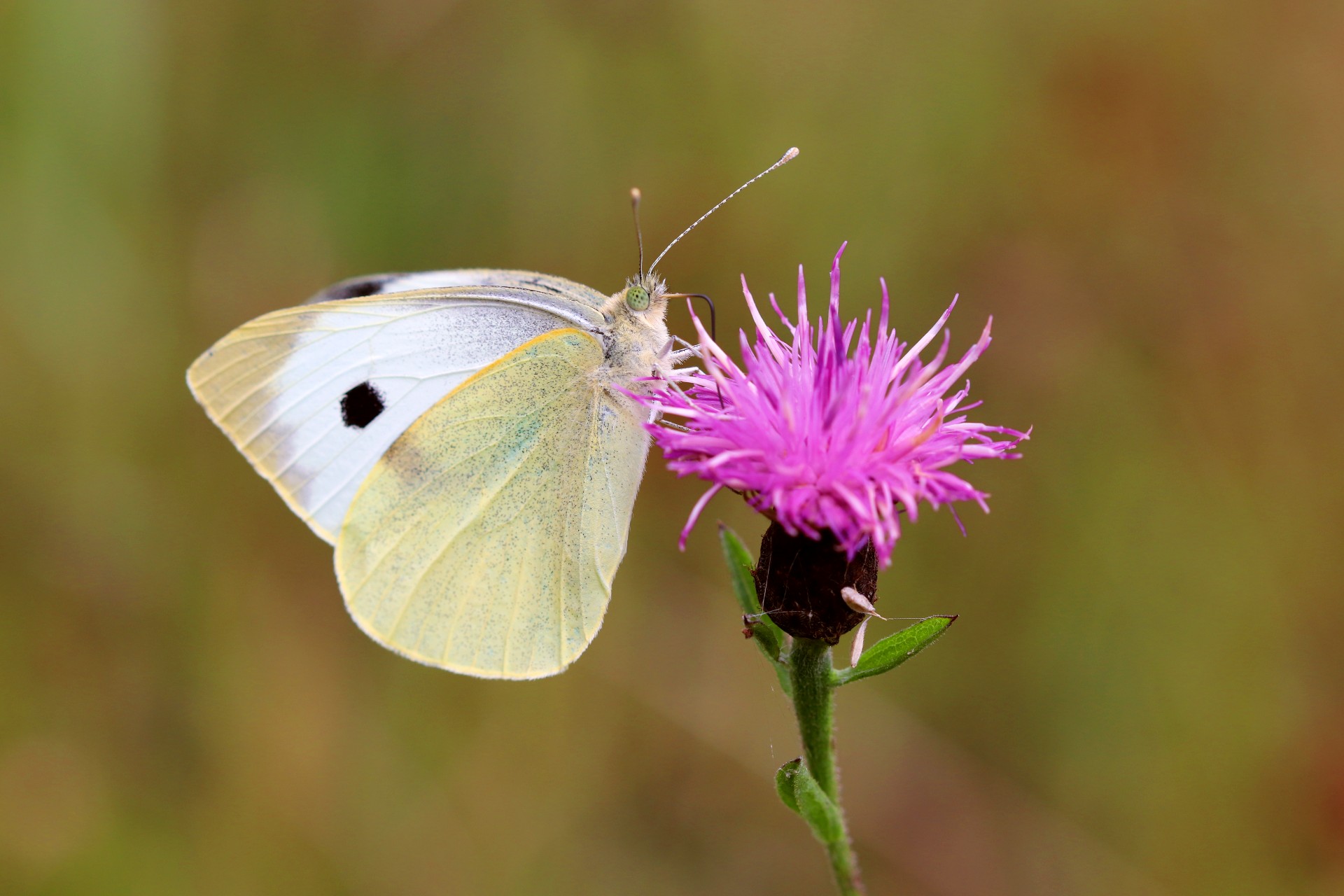
Instead of regularly mowing verges, parks and open spaces, the council leaves some areas to grow through the spring and summer. This allows wildflowers to bloom and creates vital habitats for bees, butterflies and other pollinators.
The approach was first piloted in Monmouth in 2020 and has since been rolled out across the county, with Monmouthshire becoming the first council in Wales to review grassland management specifically for biodiversity.
It’s not just good for nature, it also makes green spaces more beautiful and can help you get closer to nature and improve wellbeing. Take a stroll along one of the paths cut through a meadow area and you can find yourself walking alongside wildlife, including grasshoppers and butterflies, with wildflowers and grasses providing a rich landscape.
Cabinet Member for Climate Change and the Environment, Cllr Catrin Maby, said: “Nature Isn’t Neat is about doing things a little differently to get better results for wildlife. By cutting grass less often and at the right times, we can help nature recover and create spaces full of colour and life.
“These areas might look different, but they play a vital role – supporting pollinators, storing carbon and helping manage flooding. It’s a simple change that makes a big difference.”
The council says the scheme is already helping create stronger, better-connected habitats across Monmouthshire and is part of wider work to tackle the climate and nature emergencies.
Residents are also being encouraged to take part during Wales Nature Week by letting parts of their own gardens grow, planting wildflowers or creating small habitats for wildlife.
Visit www.letstalkmonmouthshire.co.uk/nature-isnt-neat for information and tips on how you can encourage more biodiversity in your garden.